Tree Roots in Your Sewer Line: What Every Homeowner Needs to Know
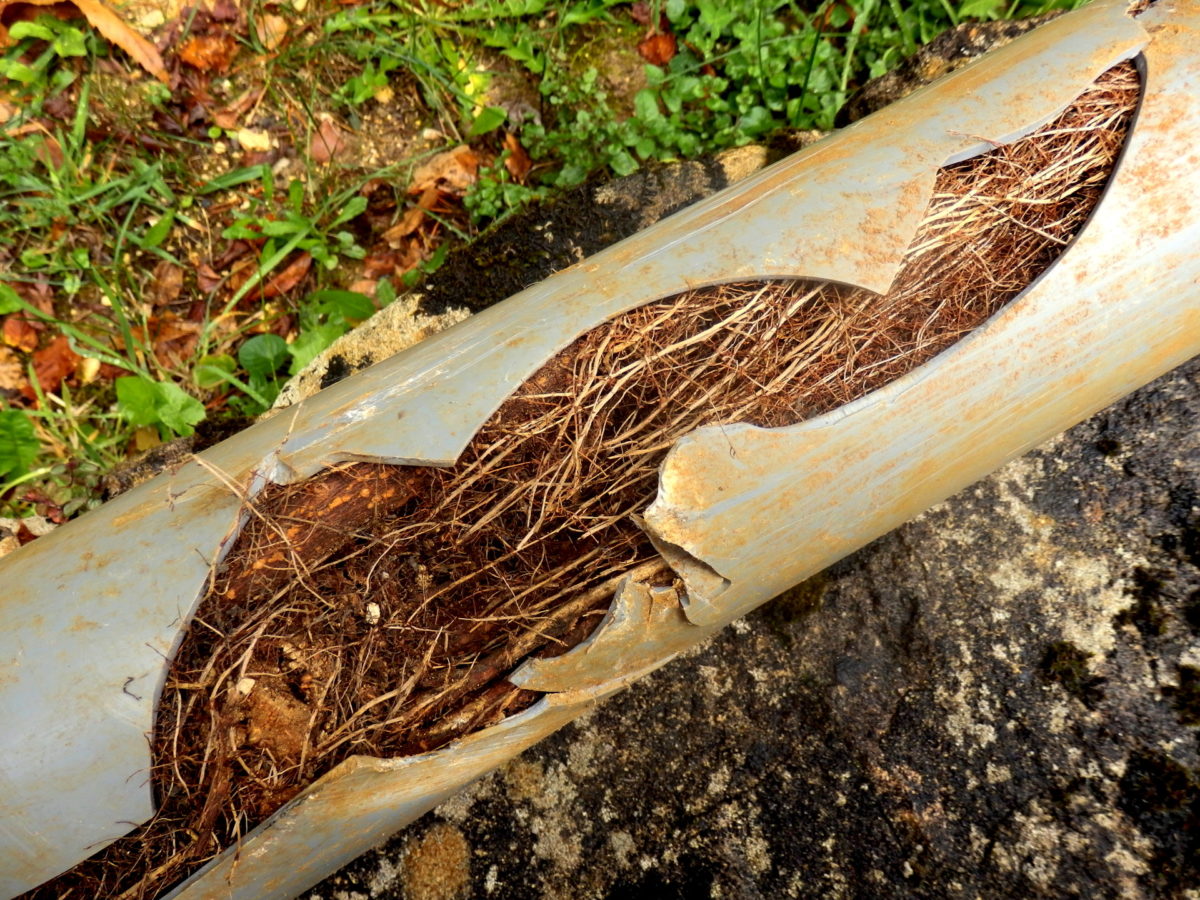
Tree roots infiltrating sewer lines create some of the most persistent and expensive drain problems homeowners face. While beautiful trees add value and shade to your property, their underground root systems relentlessly seek water—and your sewer line provides the perfect source. Understanding how roots invade pipes, what damage they cause, and your options for addressing them prevents small problems from becoming catastrophic failures.
How Roots Find and Invade Sewer Lines
Trees don't deliberately attack your sewer pipes—they're simply seeking water and nutrients to survive. But sewer lines represent ideal water sources: constant moisture, nutrient-rich content (sewage contains nitrogen and other plant nutrients), and convenient access points wherever pipes develop even microscopic cracks or joint separations.
The invasion process unfolds gradually:
Stage 1: Detection Tree roots grow outward from the trunk seeking water. When roots encounter any source of moisture vapor—including the slight humidity escaping from tiny cracks in sewer pipes or imperfect joint seals—they grow toward that source. The roots literally "smell" the water through chemical sensing mechanisms.
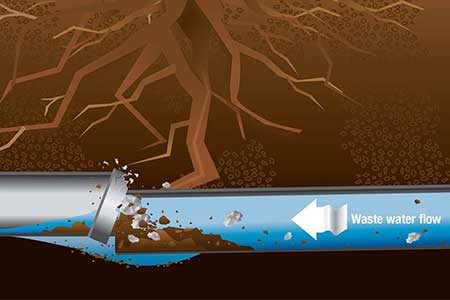
Stage 2: Initial penetration Once roots reach your sewer line, they exploit any weakness: hairline cracks, deteriorated joint seals, small gaps where pipe sections connect. Root tips are remarkably small and penetrating—they can slip through openings measuring just fractions of an inch. Once inside the pipe, they access abundant water and nutrients.
Stage 3: Explosive growth Inside your sewer line, roots encounter ideal growth conditions: constant moisture, nutrients from sewage, and warm temperatures. They grow rapidly, developing into fibrous masses that increasingly obstruct flow. These interior roots also continue pushing outward, expanding cracks and separating joints further, creating more entry points for additional roots.
Stage 4: System compromise Advanced root infiltration creates multiple problems simultaneously: blockages that restrict or prevent drainage, structural damage as roots force pipes apart, and eventually complete system failure if left unchecked long enough.
This progression can take 2-5 years from initial penetration to noticeable drainage problems, or 8-12+ years in optimal conditions (smaller trees, newer pipes with fewer vulnerabilities). The timeline depends on tree species, proximity to sewer lines, and pipe condition.
Which Trees Create the Biggest Problems
All trees have roots that will infiltrate sewer lines given the opportunity, but certain species are particularly aggressive:
Most aggressive root systems:
Willows: Fast-growing, water-seeking roots that can extend 50+ feet from the trunk. Willow roots are notorious for pipe infiltration—they're attracted to water so strongly they'll exploit the tiniest crack.
Poplars and aspens: Extensive, shallow root systems that spread aggressively seeking moisture. Common in Northern Nevada landscaping, these create frequent sewer line problems.
Maples (especially silver maples): Large, spreading root systems that develop aggressive surface roots and infiltrate underground pipes readily.
Elms: Historic shade trees with powerful, wide-spreading roots that readily penetrate sewer lines and can cause significant structural damage.
Sycamores: Large trees with extensive root systems notorious for seeking out and invading pipes.
Moderately aggressive species:
Ash trees, birches, oaks (some varieties), cottonwoods: These develop substantial root systems that can cause problems, particularly as trees mature and roots extend outward from the trunk.
Less problematic but not immune:
Conifers (pines, spruce, fir): Generally less aggressive with water-seeking behavior, but can still infiltrate pipes if roots encounter them, particularly older pipes with existing cracks or joint problems.
Important note: Tree species matters less than tree size, age, and proximity to sewer lines. A mature oak 10 feet from your sewer line causes more problems than an aggressive willow 40 feet away. Any established tree within 30 feet of your sewer route should be considered a potential threat, with risk increasing for trees closer to pipes.
Signs You Have Root Infiltration
Root problems produce distinctive symptoms that differ from other drain issues:
Recurring clogs in the same location: Roots create catch points that accumulate debris. You clear the drain, it works for 2-4 weeks, then clogs again in the exact same spot. This repetition indicates a structural problem—roots—rather than random blockages.
Slow drainage that gradually worsens over months: Unlike sudden clogs from flushed objects or grease, root infiltration creates gradually increasing restriction as roots grow. You notice drains getting progressively slower over months or even years.
Seasonal variation in drain problems: Many homeowners notice drainage issues worsen in spring and summer—when trees actively grow—and improve slightly in fall and winter when growth slows. This seasonal pattern strongly suggests root involvement.
Gurgling sounds from drains when water runs: Roots create partial blockages that allow some water flow but restrict air movement in your sewer system. This creates gurgling, bubbling sounds as air tries to escape around blockages.
Multiple fixtures backing up simultaneously: Roots typically infiltrate main sewer lines rather than individual fixture lines. When the main line becomes restricted, multiple drains throughout your house show problems.
Lush, dark green patches in your yard: If roots have damaged your sewer line enough to leak sewage, the escaping nutrients create notably greener grass patches above the leak point—basically fertilizing that area heavily.
Why Camera Inspection Matters for Root Problems
If you suspect root infiltration, camera inspection provides definitive answers and prevents wasted money on ineffective solutions.
What camera inspection reveals:
Professional sewer cameras show roots inside your pipes clearly. You see fibrous root masses hanging from pipe ceilings, tangles of fine roots filling pipe sections, and main root trunks pushing through cracks or joints. The footage also shows where roots entered—which cracks or joint separations provided access points.
This visual evidence accomplishes several important things:
Confirms roots are actually the problem: Symptoms can be misleading. Camera inspection eliminates guessing and shows exactly what's blocking your drains.
Identifies severity: Small root intrusion might be cleared and treated chemically. Extensive root masses may require more aggressive approaches. Knowing the severity guides appropriate treatment decisions.
Locates problem areas: Camera inspection pinpoints where roots are infiltrating—critical information if you're considering spot repairs, tree removal, or preventive treatments around specific vulnerable sections.
Shows pipe condition: Beyond just finding roots, camera inspection reveals the cracks, deterioration, and joint separations that allowed roots to enter. This information helps you understand whether addressing roots solves everything or whether underlying pipe damage needs repair.
Your Options for Dealing with Roots
Once you've confirmed root infiltration, you face several treatment options with different costs, effectiveness, and longevity:
Option 1: Mechanical root cutting
Drain snakes with special cutting attachments can slice through root masses, clearing blockages and restoring flow. This is the quickest, least expensive solution for immediate relief.
Advantages:
- Immediately restores drainage
- Least expensive option ($200-$400 typically)
- Requires no chemicals or pipe repairs
- Works well for emergency situations
Disadvantages:
- Extremely temporary—roots regrow from the same entry points within 2-6 months typically
- Doesn't address why roots entered or prevent return
- Repeated cutting may eventually damage pipes further
- Costs add up quickly with repeated service calls
Best for: Emergency situations requiring immediate drainage restoration, or temporary relief while you plan more permanent solutions.
Option 2: Root X chemical treatment
Root X is a specialized foaming herbicide applied directly into your sewer line. It kills roots inside the pipe while leaving the tree itself completely unharmed.
Advantages:
- Kills roots at contact points inside pipes
- Doesn't harm trees or surrounding landscaping
- Provides 1-3 years of protection typically
- Much less expensive than pipe repair ($300-$600 usually)
- Can be reapplied periodically for ongoing protection
Disadvantages:
- Doesn't fix the cracks or joint separations that let roots enter
- Roots will eventually return as trees continue growing
- Requires periodic retreatment (every 1-3 years depending on conditions)
- Not appropriate if pipe damage is severe—killing roots doesn't repair broken pipes
Best for: Properties where you want to keep mature trees, situations where pipe damage is minimal, and ongoing maintenance approach rather than one-time permanent fix.
Option 3: Spot pipe repair
If root infiltration is localized to specific damaged sections—one or two bad joints, a cracked pipe section—spot excavation and repair of those areas may solve the problem.
Advantages:
- Permanently fixes the specific damaged areas
- Eliminates root entry points at repaired sections
- Less expensive than full line replacement
- Addresses structural problems, not just symptoms
Disadvantages:
- Requires excavation, disrupting landscaping at repair sites
- Only addresses known problem areas—other sections may develop issues later
- Costs can add up if multiple spots need repair
- If pipes are generally old and deteriorating, you're playing whack-a-mole
Best for: Situations where inspection shows isolated damage in otherwise sound pipes, or when root damage has caused leaks requiring repair anyway.
Option 4: Trenchless pipe lining
Trenchless lining installs a new epoxy pipe inside your existing damaged pipe, sealing all cracks, joints, and root entry points permanently while leaving pipes in place.
Advantages:
- Permanently seals all root entry points along entire lined section
- Creates root-proof surface—smooth epoxy can't be penetrated
- No excavation required in most cases—preserves landscaping
- Fixes structural damage and root problems simultaneously
- 50-year warranty typical—essentially permanent solution
- Actually strengthens pipes beyond original condition
Disadvantages:
- Highest upfront cost ($8,000-$15,000 for typical residential main line)
- Requires clear pipes—heavy root masses must be removed first
- Not all pipes qualify if severely collapsed
Best for: Aging pipes with multiple problems, properties with valuable landscaping to preserve, situations where long-term solution makes more financial sense than repeated temporary fixes, or when pipe damage is extensive enough that replacement would otherwise be necessary.
Option 5: Full pipe replacement
Traditional excavation and replacement of damaged sewer sections or entire lines.
Advantages:
- Brand new pipes with no existing damage
- Can address severely collapsed sections that lining can't fix
- Opportunity to relocate pipes away from tree roots if desired
Disadvantages:
- Most expensive option ($15,000-$25,000+ typically)
- Requires extensive excavation destroying landscaping
- Weeks of disruption
- Landscape restoration costs in addition to pipe work
- If you don't address trees, roots may eventually infiltrate new pipes too
Best for: Severely collapsed pipes beyond repair with other methods, situations where relocating the sewer line makes sense, or when extensive damage makes partial fixes impractical.
The Tree Removal Question
Many homeowners assume root problems mean they must remove trees. This isn't necessarily true, and in many cases, removing trees doesn't solve your problem.
Why removing trees may not help:
Tree roots remain viable for years after the tree is cut down. Those same roots that invaded your pipes will continue living, and will actually send up new shoots as the root system tries to survive. You've removed the tree but not solved the root infiltration.
Additionally, if you had multiple trees and only remove the most obvious culprit, roots from remaining trees will exploit the same entry points.
When tree removal might make sense:
If you're having pipes repaired or replaced anyway, removing the closest, most problematic tree prevents future infiltration of your new/repaired pipes. If a tree is diseased, dying, or damaged and needs removal for other reasons, addressing it while fixing root problems makes sense.
But removing healthy, valuable trees just for root problems—when Root X treatment or pipe lining can protect your pipes while preserving your landscaping—wastes both money and property value.
Prevention Strategies That Actually Work
If you haven't experienced root problems yet but have mature trees near sewer lines, prevention is far cheaper than remediation:
Know where your sewer line runs: Have it located and marked. This information guides planting decisions and helps you avoid adding trees near vulnerable areas.
Choose tree placement carefully: When planting new trees, locate them at least 30-50 feet from sewer lines depending on species. Fast-growing, water-seeking species should be even further.
Maintain healthy pipes: Roots infiltrate cracks and damaged areas. Keeping pipes in good condition through periodic inspection and addressing minor damage before it worsens prevents easy entry points.
Consider preventive Root X treatment: If camera inspection shows roots haven't invaded yet but you have vulnerable conditions (older pipes, nearby trees), periodic preventive Root X application can discourage infiltration before problems develop.
Regular inspections: Camera inspection every 5-7 years for properties with mature trees near sewer lines catches developing problems while they're still minor and inexpensive to address.
The Cost of Waiting
Root problems worsen over time—never improve. The costs of addressing them increase as damage progresses:
Early stage: Small root infiltration caught on camera inspection before causing blockages might be treatable with $300-500 Root X application.
Moderate stage: Recurring clogs from established roots may require $200-400 mechanical cutting plus $300-500 Root X treatment—$500-900 total.
Advanced stage: Extensive root masses causing frequent backups might need multiple cuttings, chemical treatment, and eventual spot repairs or lining—costs reaching $3,000-8,000.
Catastrophic stage: Completely failed pipes with severe root damage and structural compromise may require full replacement at $15,000-25,000+.
Every year you ignore developing root problems moves you further along this cost progression. Early intervention saves thousands compared to waiting for catastrophic failure.
Making Informed Decisions
Root infiltration isn't a death sentence for your sewer system or your trees. Modern solutions allow you to protect both your plumbing and your landscaping when you address problems appropriately.
The key is accurate diagnosis through camera inspection, honest assessment of severity, and choosing solutions that match both your current situation and long-term plans for your property.
.png)