Five Clear Signs Your Sewer Line Needs Repair (Not Just Cleaning)
Not every drain problem is a simple clog. While most homeowners assume slow drainage means they need cleaning, certain warning signs indicate structural damage that cleaning can't fix. Recognizing these signs early prevents emergency failures, protects your property from water damage, and helps you avoid paying for cleaning services that won't solve underlying pipe deterioration.
Understanding the Difference
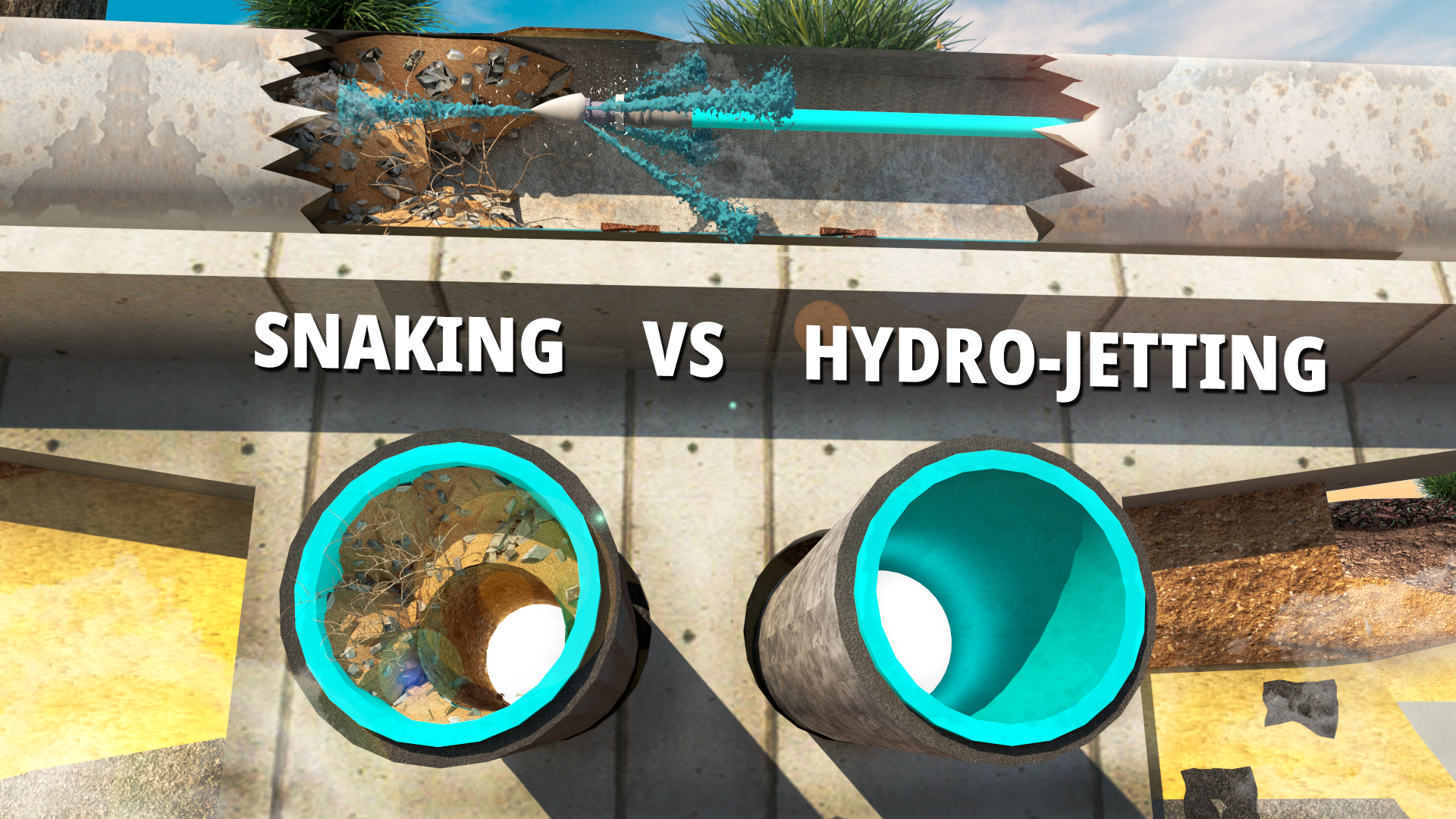
The confusion between cleaning and repair is completely understandable. Both address drainage problems. Both involve professional service. But they solve fundamentally different issues. Drain cleaning removes blockages—grease, hair, roots, debris—that obstruct flow through otherwise functional pipes. Drain repair addresses structural damage—cracks, breaks, corrosion, collapsed sections—that compromise the pipe itself.
Think of it this way: cleaning is removing a traffic jam from a highway. Repair is fixing a collapsed bridge. You can clear traffic all day, but if the bridge is broken, vehicles still can't cross. Similarly, you can clean a cracked or deteriorating pipe repeatedly, but until you repair the structural damage, problems will keep recurring.
The financial implications matter significantly. Drain cleaning typically costs $150-$500 depending on method and severity. Sewer line repair ranges from $1,000-$15,000+ depending on extent of damage and repair method. Misdiagnosing repair needs as cleaning needs wastes money on services that can't solve your actual problem. Conversely, immediately jumping to repair when cleaning would suffice wastes thousands on unnecessary work.
Sign #1: Multiple Drains Backing Up Simultaneously
When your toilet overflows while the shower drains slowly and the kitchen sink gurgles—all at the same time—you're not dealing with individual fixture clogs. You're experiencing main sewer line problems that indicate structural issues rather than simple blockages.
Why this indicates repair needs:
Your home's drain system works like a tree. Individual fixture drains are branches that feed into larger secondary lines, which all connect to your main sewer line trunk. When one fixture clogs, only that branch is affected. When multiple fixtures in different locations back up simultaneously, the problem is in the main trunk where all branches converge.
Simultaneous multi-drain backup indicates either severe main line blockage or structural failure allowing sewage to back up into your entire system. While cleaning might temporarily relieve pressure, the fact that your main line is failing to handle normal household drainage suggests underlying damage—cracks allowing dirt infiltration, collapsed sections creating catch points, or severe deterioration restricting capacity.
What to do:
Camera inspection of your main sewer line shows whether you're dealing with a blockage (cleaning can fix) or structural damage (repair required). Don't spend money on repeated cleaning if your pipes need repair. Similarly, don't pay for expensive repairs if aggressive cleaning will solve the issue.
Sign #2: Persistent Sewage Odors Even After Cleaning
Sewage smell occasionally when drains are actively clogged is normal—trapped organic matter produces odors. But constant or recurring sewage smell even after professional cleaning indicates something more serious: cracks, breaks, or gaps in your sewer line allowing gas to escape where it shouldn't.
Why this indicates repair needs:
Your sewer system is designed to be sealed. All pipes should connect tightly with no gaps. Vent pipes carry gases safely above your roofline and outside. When you smell sewage persistently inside your home—especially in areas away from fixtures—something is broken. Possible causes include:
- Cracked pipes under your foundation leaking gas into crawl spaces or basements
- Failed toilet seals allowing gas around fixture bases (repair, not full sewer line work)
- Broken vent pipes in attics or walls releasing gas into concealed spaces
- Separated joints in older cast iron or clay pipes creating gaps
- Foundation penetration failures where your sewer line exits your home
Cleaning removes blockages and organic material, which eliminates odors from decomposing waste. But if odors persist after cleaning, you're not smelling blockages—you're smelling gas escaping through structural damage.
What to do:
Smoke testing reveals exactly where gas is escaping from your system. Non-toxic smoke pumped into your sealed drain system escapes through any crack, gap, or break, showing precisely where repairs are needed. Camera inspection documents internal pipe condition. Together, these diagnostics pinpoint structural damage causing persistent odors.
Sign #3: Soggy Yard Areas or Unusually Green Grass Patches
When sewage leaks from underground pipes, it creates wet soil conditions and fertilizes surrounding areas. If you notice persistently soggy spots in your yard—especially areas that remain wet days after rain stops—or patches of grass that are notably greener and grow faster than surrounding lawn, you're likely seeing evidence of sewer line leaks.
Why this indicates repair needs:
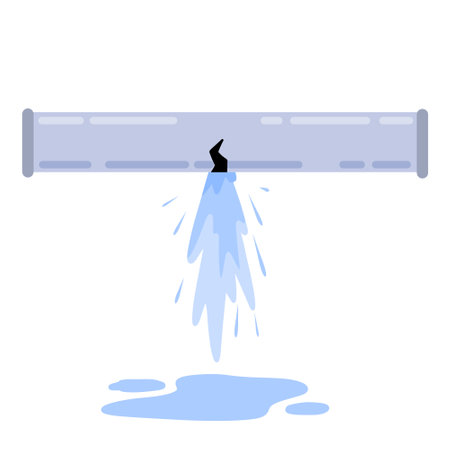
Healthy, properly functioning sewer lines are sealed systems. Sewage flows through pipes to the municipal system or septic tank without escaping into surrounding soil. When pipes crack, break, or joints separate, sewage leaks into soil around the damaged section.
This leaking sewage creates visible surface signs. The moisture creates persistently wet or soggy areas. The nutrients in sewage act as fertilizer, producing patches of grass that are notably darker green and grow more vigorously. In severe cases, you might notice sinkholes or depressions as eroded soil beneath creates voids.
These signs indicate active leaking—meaning sewage is escaping your system every time you use water. No amount of cleaning fixes this. The pipe itself is damaged and needs repair or replacement.
What to do:
If you observe these signs, schedule camera inspection and pipe locating service. The camera shows internal damage—cracks, breaks, collapsed sections. Pipe locating pinpoints exactly where your underground line runs and where problems are occurring. This information guides targeted repair, whether that's spot excavation for localized damage or trenchless lining for more extensive deterioration.
Sign #4: Recurring Clogs in the Same Location
When you snake a drain, it clears, works fine for two weeks, then clogs again in the exact same spot—that's not just bad luck. Recurring clogs in identical locations indicate an underlying structural problem creating catch points that trap debris repeatedly.
Why this indicates repair needs:
Healthy pipes with proper slope and no damage don't repeatedly clog in the same location. When clogs return to the exact same spot despite professional cleaning, something about that section of pipe is catching and accumulating debris. Common structural causes include:
- Pipe bellying or sagging: Settling foundations or eroded soil create low spots where debris and water collect. Cleaning removes current buildup, but the sag remains, causing new accumulation.
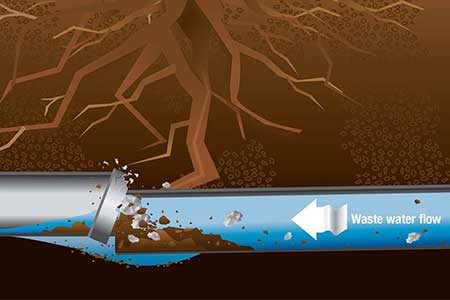
- Root intrusion points: Tree roots penetrate pipes at joints or cracks. Cutting roots away temporarily clears the blockage, but roots regrow from the same entry points within weeks or months.
- Partially collapsed sections: When pipes deteriorate, sections can partially collapse, creating internal ridges or protrusions that catch passing debris.
- Joint separation: Older pipes with separated joints create gaps where debris accumulates and sewage flow disrupts.
- Corroded pipe interiors: Severely corroded cast iron or deteriorated clay pipes develop rough interior surfaces with divots and projections that trap debris.
Cleaning addresses the accumulated material, but it can't fix the structural issue causing the recurring accumulation. Until you repair the underlying damage, you'll keep paying for repeated cleaning services.
What to do:
After the second recurrence in the same location, invest in camera inspection rather than third cleaning. The camera shows exactly why that spot keeps clogging—whether it's sagging, roots, collapse, or deterioration. Understanding the structural cause helps you decide between spot repair (if damage is localized) or more comprehensive solutions like pipe lining (if deterioration is extensive).
Sign #5: Your Home Was Built Before 1980 With Original Pipes
While not an active symptom like the previous four signs, the age and material of your sewer pipes provide strong indicators of likely repair needs—especially when you begin experiencing drainage problems.
Why this indicates potential repair needs:
Homes built before 1980 typically have sewer lines made from cast iron or clay pipes. These materials have finite lifespans:
- Cast iron pipes: Expected 50-60 year lifespan. Homes built in the 1960s-70s with original cast iron lines are now at or beyond that lifespan. Cast iron corrodes from the inside, gradually deteriorating until it fails.
- Clay pipes: Expected 50-100 year lifespan depending on soil conditions. Clay is durable but becomes brittle with age. Joints separate easily, and sections crack under soil pressure or tree root invasion.
If your home was built in 1975 with original sewer lines, those pipes are now approaching 50 years old—right at the point where failure becomes increasingly likely. Any drainage issues you experience probably indicate age-related deterioration rather than simple blockages.
Additionally, older homes often have trees that were saplings when planted decades ago. Those mature trees now have extensive root systems seeking water—and your aging, deteriorating sewer line is an attractive water source. The combination of deteriorating pipes and aggressive root systems creates recurring problems that cleaning addresses only temporarily.
What to do:
If you live in a pre-1980 home and begin experiencing drainage issues, start with camera inspection before assuming it's just a clog. The inspection shows your pipes' actual condition—whether they're deteriorating, corroded, cracked, or root-invaded. This information helps you make informed decisions about repair or replacement before you experience catastrophic failure.
Consider this: planned repair or pipe lining costs less and causes less disruption than emergency replacement when your sewer line suddenly fails completely. Knowing your pipes' condition lets you plan and budget rather than face emergency expenses.
Getting Accurate Diagnosis
The key to avoiding misdiagnosis and wasted expense is proper investigation before committing to services:
Start with camera inspection when you experience any of the five signs above. Camera inspection costs $150-$300 typically, but this investment shows exactly what's happening inside your pipes. You see cracks, roots, deterioration, bellying, or simple blockages. Visual evidence eliminates guesswork.
Ask direct questions: When calling for service, describe your symptoms clearly. A reputable drain company distinguishes between situations requiring cleaning vs. repair and recommends appropriate diagnostics upfront rather than trying cleaning first and hoping it works.
Request documentation: After camera inspection, ask for the video footage or still images showing what was found. This documentation proves what needs repair and provides second opinions if desired. It also creates records useful for property sales or insurance claims.
Get multiple opinions for major work: If you're told you need expensive pipe replacement, get a second opinion—especially if you haven't seen camera inspection evidence. Some problems that appear to require excavation and replacement can actually be solved with less invasive trenchless repairs.
Making Informed Decisions
Your sewer line is critical infrastructure. Problems won't improve on their own, and misdiagnosed issues waste money on services that can't solve your actual problems. When you recognize these five warning signs, you're equipped to ask the right questions and insist on proper diagnostics before committing to repairs.
Not every drainage problem requires expensive sewer line work—but when these signs appear, investigating thoroughly prevents the much higher costs of emergency failures and property damage.
.png)