Understanding the Real Difference Between Drain Snaking and Hydro Flushing
When facing a stubborn drain clog, homeowners are often confused about which cleaning method they actually need. While both snaking and hydro flushing clear blockages, they work in fundamentally different ways—and choosing the wrong one can mean your clog returns within weeks. Understanding these methods helps you make informed decisions and avoid paying for temporary fixes.
Two Methods, Two Very Different Results
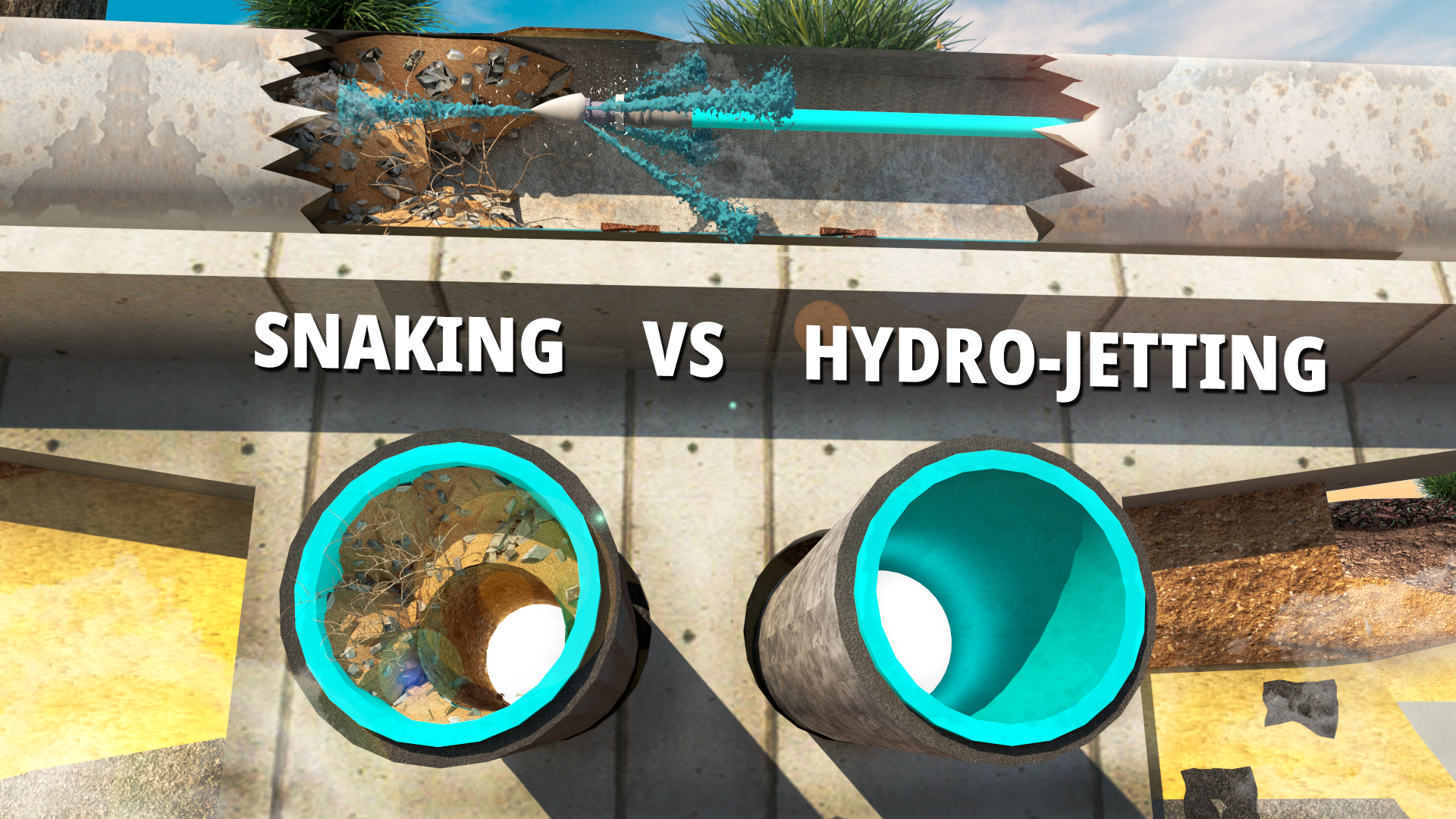
The confusion is understandable. Both drain snaking and hydro flushing are legitimate professional drain cleaning methods, and both will get water flowing again. But the similarity ends there. Think of snaking as drilling a hole through a blocked tunnel, while hydro flushing is pressure-washing the entire tunnel clean. Both reopen the passage, but only one removes everything causing the obstruction.
This distinction matters tremendously when you're deciding how to invest in your property's drain health. Choose snaking when it's appropriate, and you've saved money on a service that solves your immediate problem. Choose it when hydro flushing was needed, and you're paying again in a few weeks when the clog returns.
How Drain Snaking Actually Works
Drain snaking—also called augering or rootering—uses a flexible cable with cutting blades or a corkscrew tip. The technician feeds this cable into your drain line, rotating it as it advances. When it encounters a blockage, the spinning cable bores through it, creating an opening for water to flow.
What snaking does well:
- Punches through solid obstructions quickly
- Works effectively on hair clogs in bathroom drains
- Handles paper products and organic material buildup
- Provides immediate relief for simple blockages
- Costs less than hydro flushing for straightforward clogs
- Can be completed quickly with minimal setup
What snaking doesn't do:Snaking creates a pathway through your blockage, but it doesn't remove everything causing the problem. Imagine a pipe coated with grease, soap scum, or mineral deposits. The snake drills through the center of this buildup, restoring flow—but all that coating remains on the pipe walls. Within weeks or months, that remaining buildup catches new debris, and you're clogged again.
How Hydro Flushing Changes the Game
Hydro flushing (also called hydro jetting) takes an entirely different approach. Instead of mechanically boring through blockages, it uses water pressurized to thousands of PSI sprayed through specialized nozzles. These nozzles direct powerful water jets in multiple directions—forward to propel the hose through your line, and backward to blast pipe walls clean.
What hydro flushing accomplishes:
- Scours the entire interior circumference of your pipes
- Removes 100% of buildup, not just creates a hole through it
- Eliminates grease that coats kitchen and restaurant lines
- Cuts through and removes root intrusions
- Clears scale deposits from hard water (especially important in Reno)
- Destroys biofilm and bacterial growth
- Provides results that last years instead of weeks
The pressure and flow rate are adjusted based on your specific pipes—modern PVC handles high pressure easily, while older clay or cast iron pipes receive gentler treatment. A skilled technician calibrates the equipment to clean thoroughly without damaging your particular pipe material and condition.
When Snaking Is the Right Choice
Despite hydro flushing's superior cleaning power, snaking remains the appropriate choice for many situations:
Simple single-drain clogs: If your bathroom sink is slow because of hair buildup and you've never had the problem before, snaking will solve it efficiently and economically.
First-time blockages: When a drain clogs for the first time with no history of problems, start with the simpler, less expensive option. If it clogs again quickly, then you know there's underlying buildup requiring hydro flushing.
Solid object removal: If something fell down your drain—a toy, jewelry, or other solid item—snaking can sometimes hook and remove it. Hydro flushing might just push it further into your system.
Budget constraints: If finances are tight and you need immediate relief, snaking provides functional drainage at lower cost. Just understand you may need more thorough cleaning later.
Older, fragile pipes: Some very old or severely deteriorated pipes can't safely handle hydro flushing pressure. In these cases, gentle snaking (or pipe replacement) may be your only options.
When Hydro Flushing Is Worth the Investment
Certain situations clearly call for hydro flushing's comprehensive cleaning:
Recurring clogs in the same location: If you've snaked a drain twice and it keeps clogging, there's substantial buildup that snaking can't remove. Hydro flushing eliminates what's causing the recurring problem.
Grease-clogged kitchen lines: Grease solidifies on pipe walls, creating sticky surfaces that trap debris. Snaking punches through grease temporarily; hydro flushing removes it completely. This is especially critical for restaurant and commercial kitchen drains.
Slow drainage throughout your home: When multiple drains show reduced flow, your main line likely has extensive buildup restricting capacity. Hydro flushing restores full diameter and flow rate.
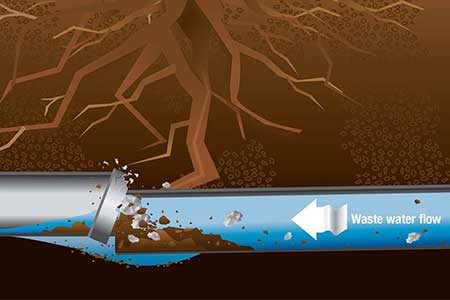
Root intrusion: Tree roots infiltrating pipes create masses that catch debris and restrict flow. While snaking can cut through roots temporarily, hydro flushing removes root material more completely and delays regrowth longer.
Hard water scale buildup: Reno's notably hard water (180-220 PPM) deposits minerals inside pipes over time. These scale deposits narrow pipe diameter gradually. Hydro flushing scours scale away; snaking barely touches it.
Before camera inspection: If you want clear views of your pipe's actual condition, hydro flushing beforehand removes debris that obscures the camera's view of cracks, corrosion, and structural issues.
Preventive maintenance: Properties with aging drain systems benefit from periodic hydro flushing that removes buildup before it causes blockages. This is particularly valuable for commercial properties where drainage problems disrupt business operations.
The Hidden Cost of Choosing Wrong
The most expensive option isn't necessarily the one with the highest upfront price—it's the one that doesn't solve your problem. Consider these scenarios:
You pay $150 for snaking to clear a recurring clog caused by extensive grease buildup. Three weeks later, it clogs again. You pay $150 for snaking again. This happens four times over six months. You've now spent $600 on temporary fixes.
Alternatively, you invest $550 or more in hydro flushing that removes all the grease buildup. Your drain stays clear for 6 months to 1 year depending on pipe health. The more expensive service actually costs less because it solved the underlying problem.
This isn't a sales pitch for always choosing the pricier option—it's about matching the method to the actual problem. An honest drain service company diagnoses what's causing your issue and recommends the appropriate solution, even when it's the less expensive one.
Questions to Ask Your Drain Service Provider
When you call for drain service, these questions help you understand what you're getting:
"What method do you recommend and why?" A good technician explains their reasoning based on your specific situation, not just upsells the expensive option automatically.
"Will this solve the problem long-term, or is this temporary?" Honest professionals tell you if they're providing immediate relief vs. comprehensive cleaning.
"What causes this clog to keep returning?" If you've had recurring issues, they should explain the underlying cause, not just clear the immediate blockage.
"Can you inspect first to see what we're dealing with?" Camera inspection shows exactly what's in your pipes, taking guesswork out of choosing the right cleaning method.
"What should I expect after this service?" Understanding realistic timelines—will this last weeks, months, or years—helps you plan and budget appropriately.
Making the Right Decision for Your Property
Your drain cleaning decision should consider both immediate needs and long-term value. A first-time simple clog deserves the economical snaking approach. Recurring problems, extensive buildup, or preventive maintenance for aging systems justify hydro flushing's higher investment.
The most important factor isn't which method costs more or sounds more impressive—it's which one actually solves your specific drainage problem. Work with a drain service company that takes time to diagnose properly, explains your options honestly, and recommends solutions based on your pipes' actual condition rather than maximizing their invoice.
Your drains are essential infrastructure. Choosing the right cleaning method protects this investment and keeps your property functioning reliably for years to come.
.png)