The Truth About Chemical Drain Cleaners: Why Plumbers Don't Recommend Them
Walk into any hardware store and you'll find shelves lined with chemical drain cleaners promising fast, easy solutions to clogs. Yet professional plumbers consistently advise against using these products. Understanding why chemical cleaners fail to solve most drain problems—and often make situations worse—saves you money, prevents pipe damage, and helps you recognize when you actually need professional help instead of another bottle of harsh chemicals.
How Chemical Drain Cleaners Actually Work
Chemical drain cleaners fall into three main categories, each using different chemical reactions to attack blockages:
Caustic cleaners (like Drano) contain sodium hydroxide or potassium hydroxide—strong bases that generate heat through chemical reactions. These dissolve organic materials like hair and grease by breaking down proteins and fats. The heat generated (sometimes reaching 200°F or higher) helps liquefy solidified materials.
Oxidizing cleaners contain bleach, peroxides, or nitrates that release oxygen when mixed with water. This oxidation breaks down organic blockages. These tend to be less immediately aggressive than caustic cleaners but still use harsh chemical reactions.
Acid cleaners (typically sold to professionals rather than homeowners) contain sulfuric or hydrochloric acid. These are the most dangerous and aggressive, dissolving organic materials through extreme pH. The hazards are so significant that most hardware stores don't carry acid-based drain cleaners for general consumer use.
All these products work on the same principle: create extreme chemical conditions (very high or low pH) that break down organic materials blocking your drain. In theory, this sounds reasonable. The problems emerge when theory meets reality.
Why Chemical Cleaners Usually Fail
The marketing promises "fast, easy" clog removal. The reality is that chemical drain cleaners only work in very specific, limited circumstances—and those circumstances represent a minority of actual drain problems homeowners face.
They can't reach most clogs:
Drain clogs typically form 5-50 feet down your drain line—well beyond your sink trap or toilet bowl. When you pour chemical cleaner down your drain, gravity pulls it through easily flowing sections. When it reaches the clog creating restriction, the cleaner pools on top of the blockage.
For the chemicals to work, they must contact the blockage completely and remain in contact long enough for chemical reactions to occur. But in real-world conditions, the cleaner sits on top of the clog, working only on the surface layer nearest the cleaner. The majority of the blockage—below and around the chemical pool—remains intact.
Additionally, if any water trickles past the clog (partial blockages often allow some flow), it dilutes the chemical cleaner, reducing effectiveness further. You've essentially created a small puddle of drain cleaner sitting on top of your clog, attacking a tiny percentage of the actual obstruction.
They don't work on many blockage types:
Chemical cleaners target organic materials—hair, soap scum, food particles, grease. They do nothing (or very little) against:
- Solid objects: Toys, jewelry, utensils, or other items that fall into drains aren't affected by chemical reactions. You can pour a gallon of Drano on a toy truck stuck in your pipe—the toy remains stuck.
- Mineral scale: In hard water areas like Reno, mineral deposits create stubborn clogs that chemical cleaners can't dissolve. These are inorganic materials resistant to the organic-material-targeting chemicals in drain cleaners.
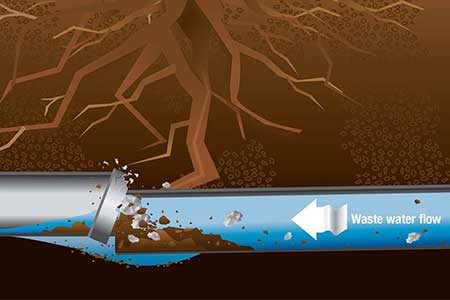
- Tree roots: Roots infiltrating sewer lines aren't affected by standard chemical drain cleaners. Specialized herbicides exist for roots (like Root X), but hardware store drain cleaners do nothing.
- Pipe deterioration issues: If your drain is slow because of bellied pipes, collapsed sections, or separated joints creating catch points, chemicals won't fix structural problems.
So if your clog involves anything except accessible organic buildup, chemical cleaners waste your money entirely.
They create hazardous situations:
When chemical cleaners fail to clear clogs—which they frequently do—you now have a drain full of standing water mixed with extremely caustic or acidic chemicals. This creates several dangers:
If you call a plumber after chemical attempts fail, the technician must now work with pipes full of hazardous chemicals. Using snakes or opening cleanouts can splash caustic solution, causing chemical burns. Professional plumbers legitimately charge more for working on drains contaminated with chemical cleaners because of increased safety hazards.
If you attempt additional DIY fixes—plunging, snaking, or disassembling traps—you're exposing yourself to chemical splash and fumes. Mixing different chemical cleaners (trying one brand after another fails) can create dangerous reactions, including toxic gas generation.
If you have a septic system, chemical drain cleaners can kill the beneficial bacteria necessary for waste breakdown, compromising your entire septic function.
The Pipe Damage Problem
Beyond their poor effectiveness, chemical drain cleaners actively damage your plumbing system over time:
PVC and plastic pipes: While marketed as "safe for pipes," repeated use of chemical cleaners can actually soften and damage PVC. The extreme heat generated by caustic cleaners (remember, some reach 200°F) can warp PVC, particularly at joints where cement bonds may weaken. Over years of repeated use, this accelerates pipe deterioration.
Metal pipes (cast iron, copper, galvanized): Chemical cleaners are especially problematic for metal pipes. Caustic chemicals corrode metal, thinning pipe walls and accelerating the natural aging process. Cast iron pipes already corrode from the inside over decades—chemical cleaners speed this deterioration significantly.
Rubber/synthetic seals and gaskets: The harsh chemicals attack rubber components in your plumbing—toilet flush valves, sink trap gaskets, connection seals. This creates leaks that didn't exist before you poured cleaner down the drain.
The damage isn't immediate and obvious—it's cumulative. Using chemical cleaner once probably won't destroy your pipes. Using it repeatedly over years absolutely contributes to accelerated deterioration and eventual failures that cost thousands to repair.
The Recurring Clog Cycle
Here's the most expensive problem with chemical drain cleaners: they trap homeowners in a cycle of repeated purchases and worsening problems.
Imagine this common scenario: Your bathroom sink drains slowly. You buy chemical drain cleaner, pour it down, and drainage improves somewhat. Success! Three weeks later, the sink is slow again. You buy more cleaner. This time it barely helps. You buy a "stronger" formula. Temporarily better. The cycle continues, costing $10-15 every few weeks, and slowly worsening despite repeated treatments.
What's actually happening? Your sink has a partial clog—probably hair and soap scum—6-8 feet down the pipe. The chemical cleaner dissolves the very surface layer of this blockage, creating a narrow channel for water flow. But the majority of the clog remains, continuing to catch debris. Each time you "clean" the drain, you're removing just enough surface material to improve flow temporarily while the underlying obstruction keeps growing.
After 3-6 months and $100+ spent on repeated chemical applications, you finally call a plumber who removes the entire blockage in 20 minutes for $150-200. You've wasted money on ineffective chemical attempts, possibly damaged your pipes, and extended the timeline of having a poorly functioning drain.
The cycle is expensive, frustrating, and completely avoidable with appropriate solutions from the start.
When Chemical Cleaners Might Work
To be completely fair, there are limited circumstances where chemical drain cleaners may provide useful results:
Very minor, fresh clogs near the drain opening: If you've just noticed your bathroom sink starting to slow and the clog is clearly very close to the trap (you can sometimes see hair accumulation right at the stopper), a chemical cleaner might dissolve enough material to restore flow. But honestly, so would removing and cleaning the stopper or using a simple drain snake tool.
Preventive maintenance in slow-draining fixtures: Some people use enzymatic cleaners (which are quite different from harsh chemical cleaners) monthly as preventive maintenance. These gentler enzyme-based products can help break down organic buildup gradually. Note: enzymatic cleaners are NOT the same as Drano-type products—they're biological rather than chemical and much safer for pipes.
When you need temporary relief before professional service: If you have a minor clog on Friday evening and can't get a plumber until Monday, a chemical cleaner might provide enough temporary improvement to make it through the weekend. Just understand this is a stopgap, not a solution.
Beyond these limited scenarios, chemical drain cleaners represent poor value—ineffective, potentially damaging, and usually more expensive in the long run than simply addressing problems properly from the start.
What Professional Plumbers Use Instead
When you call a professional for a clogged drain, they arrive with tools that actually solve problems rather than hoping chemistry works:
Drain snakes and augers: These mechanically bore through blockages, whether that's hair, grease, paper products, or partially decomposed organic materials. They work reliably because they physically remove or break up obstructions rather than attempting to dissolve them.
Hydro-jetting: For stubborn or extensive blockages, high-pressure water jetting completely clears pipes—removing grease, scale, roots, and accumulated debris that chemical cleaners can't touch. This is particularly effective for the kinds of tough blockages that lead homeowners to try chemical cleaners in the first place.
Camera inspection: Rather than guessing what's causing problems, plumbers can insert cameras to see exactly what's blocking your drain. This eliminates the trial-and-error approach of trying chemical after chemical hoping something works.
Appropriate chemical treatments when necessary: For specific situations like root intrusion, professionals use specialized treatments (like Root X) designed for the specific problem rather than generic "clears all clogs" formulas that don't actually clear most clogs.
The difference is using the right tool for the specific problem rather than hoping a one-size-fits-all chemical approach works. Professional tools and techniques actually solve drainage issues instead of providing temporary, partial relief.
What You Should Do Instead
When you face a clogged or slow drain, here's the smarter progression:
Start with simple mechanical approaches: A standard plunger works surprisingly well for many clogs—the compression creates much more force than people realize. For sink drains, try removing and cleaning the pop-up stopper where hair typically accumulates. For more stubborn issues, a basic $10 hand snake from the hardware store clears many clogs effectively and safely.
Recognize when DIY isn't working: If you've tried plunging, cleaning accessible parts, and maybe a basic snake attempt without success—stop. Call a professional at this point rather than progressing to chemical cleaners. You'll save money and time by getting effective service now rather than after wasting weeks and dollars on chemicals that don't work.
For recurring clogs, diagnose rather than repeatedly treating symptoms: If the same drain clogs repeatedly, you don't need more drain cleaner—you need to understand why it keeps clogging. Camera inspection reveals whether you're dealing with deteriorating pipes, root intrusion, improper slope, or other structural issues that cleaning (chemical or mechanical) won't fix.
Consider preventive maintenance: Regular drain cleaning (every 1-2 years for susceptible drains) prevents clogs from developing rather than reacting after problems emerge. This is far more cost-effective than emergency calls and definitely cheaper than the cumulative cost of repeated chemical cleaner purchases.
The Environmental and Safety Reality
Beyond effectiveness and cost issues, chemical drain cleaners present legitimate environmental and safety concerns:
These products contain some of the most caustic, toxic chemicals legally sold for consumer use. The warnings on bottles—"causes severe burns," "do not get on skin or in eyes," "use in well-ventilated area"—aren't exaggeration. These chemicals can cause permanent damage if mishandled.
When chemical cleaners enter wastewater systems, they're eventually treated, but the process requires dealing with highly caustic or acidic waste. For properties with septic systems, chemical cleaners directly harm the biological treatment process your septic relies on.
The plastic bottles themselves, often partially full of residual chemicals, create hazardous waste requiring special disposal. How many people actually take unused drain cleaner to hazardous waste facilities versus pouring it down drains or throwing bottles in regular trash?
Professional drain cleaning produces waste too—extracted hair, grease, and debris—but these are organic materials that decompose naturally rather than toxic chemicals requiring special handling.
The Bottom Line
Chemical drain cleaners succeed at one thing reliably: generating profits for manufacturers through repeated purchases of products that rarely solve the underlying problems homeowners actually face.
They fail at their promised purpose more often than they succeed. They potentially damage your plumbing system. They create hazardous conditions if they don't work. And they're often more expensive long-term than simply calling a professional when drainage problems first appear.
The next time you're tempted by promises on a drain cleaner bottle, remember: professional plumbers—people who solve drain problems for a living—don't use these products. That should tell you everything you need to know about their actual effectiveness.
.png)